
What is an SSL certificate?
The purpose of an SSL certificate is to encrypt the data traffic between your computer and the server on which the site is hosted that you are browsing, and it uses the Secure Sockets Layer ( SSL) which is the accepted standard for transmitting secure information on the internet.
The SSL certificate is based on a unique encryption key installed on the server where the site is hosted, and only with it can the encoded information be decrypted (after it has reached its destination). On a site where an SSL certificate is installed – a green padlock icon will be displayed at the top of the browser. You can read the full article on the subject The roles and importance of an SSL certificate.
Why is it important to use an SSL certificate?
When you visit a site, if the site address starts with http – meaning all the information passing between the browser (our computer) and the server where the site is hosted is exposed.
For example, if you logged in to your WordPress dashboard, your username and password are information sent as plain, unencrypted text, so if someone is listening to the communication traffic between your computer and the site – they could "listen" to the information passing through and steal the username and password that were sent.
But if you have installed an SSL certificate on the server hosting your site, the site address will begin with https (the S stands for Secure), and all the information traffic passed back and forth is encrypted.
This is especially important if the site holds private data such as credit card information, passwords, and more.
Current standards require that all private information passing between the browser and the server be transmitted encrypted,
Lately we see that browsers such as Google Chrome, Mozilla Firefox clearly and prominently state that the page is not secure if they detect any form that requires the user to enter details (of any kind) on a page that does not use an SSL certificate.
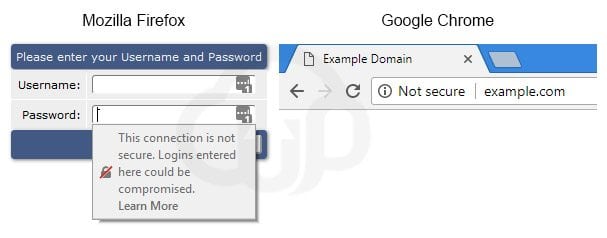
I don't collect credit cards on my site; do I still need an SSL certificate?
Many sites contain information and do not necessarily sell products online, so what would really make them want to install an SSL certificate?
Installing the SSL certificate takes a bit of work, and the cost is a few hundred dollars on top of the installation itself (depending on the provider; at uPress the installation costs nothing).
you probably have a number of compelling reasons to install the certificate anyway, let's elaborate:
Security
As noted, there is a possibility of exposing sensitive information (a username and password, for example) if someone "listens" to your site's traffic, and thus gains access to the system administration.
If you haven't yet changed your username from "admin", it is quite simple to find the identity of the administrator user on your WordPress site.
SEO
Second, Google claims that installing an SSL certificate on a site is important, and that it is an important factor in the site's ranking score. Google has retreated from all the usual SEO factors such as links and so on. They claim the ranking score consists of three main factors:
- A highly responsive, mobile-friendly site
- Fast loading time
- Secure site
Google ultimately wants to provide the user with – a secure user experience.
Trust
Finally, we believe that people look for the green padlock in the site's browser. It is a sign of trust. Many customers are not interested in a service without it.
 Browser address bar showing an HTTPS connection to the original uPress site.
How do I start working on https?
In practice, this action is divided into 2 main parts:
1. Installing the SSL certificate The installation is usually performed by the hosting company (with some providers the installation involves a fee)
uPress customers: you can get Free SSL certificate – uPress enables a safer internet with unlimited SSL certificates.
2. Changing the permalink structure from http to https, updating the search engines, and tying up all the loose ends – we have prepared a full guide on the subject – How to move from http to https and stay alive.
